
Tips for saving money on gas
The majority of drivers waste fuel by failing to take a few easy steps.
If you were a Hypermiler, you’d go to great lengths to get the most mileage out of every drop of fuel, therefore we’ll go through some of the more extreme fuel-saving alternatives available.
Engine condition
Fuel efficiency will improve significantly if the engine is properly repaired and cleaned.
If the fuel economy estimates are significantly lower than the manufacturer’s claims, the first place to look is at the engine’s condition.
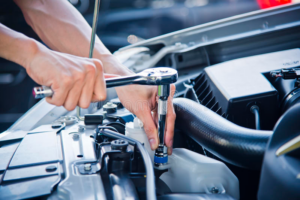
Does oil selection affect fuel consumption?
It certainly does. A decent quality oil will address two factors: minimizing internal friction and lowering engine wear. You can save 20-30% of your wasted fuel by making a few modifications. For most purposes, a high-quality FULLY synthetic oil is recommended. Over the course of an oil change period, mineral oils tend to degrade.
Synthetics are designed to lubricate, clean, and cool an engine, and you should always use the oil that your manufacturer recommends.
Do fuel additives help you save money on fuel?
Using a top quality fuel cleaner will help to keep the injectors and valves in good working order. However, many of the claims made for fuel additives are, at best, optimistic.
The only fuel cleaners we recommend right now are those made by BG, namely the BG244 and BG44K. We’ve utilized both of these products and have observed a boost in power and efficiency.
What impact do tires and tire pressures have on gas mileage?
Tire pressures will decline over time, so check them when the car is cold and elevate them to the manufacturer’s top limit (considering the usual load).
At mid-speeds, you should get approximately 4 mpg, and you’ll be able to tell if you have a puncture if you check your tires periodically.
Fuel consumption is also affected by tire type and size. Friction is caused by grip, hence minimizing grip through a smaller contact patch reduces friction. Through intelligent tread design and tire compound and composition, energy efficient tires may typically provide an additional 4-7 mpg.
Carrying rubbish about will increase the amount of effort required by the engine to overcome inertia. Remove any superfluous tools or objects from the vehicle. Hypermilers will replace automobile panels with carbon fiber, install less weight components, and switch to lighter, thinner wheels.
Because hotter engines are more efficient, avoid making short trips with cold engines. Extreme hypermilers may use measures such as replacing the thermostat and blanking off a section of the radiator.
What effect does your driving style have on your fuel consumption?
The more fuel you burn, the faster you move. On an average journey, driving around 50-60 mph on the highway will save you a lot of money on gas. Driving at 70-80 mph, on the other hand, consumes significantly more fuel than driving at 65 mph. You can save fuel by planning ahead, avoiding braking, and following another car’s slipstream. However, it does not encourage reckless tailgating; you should always maintain a safe 2 second following distance and allow enough braking time. Avoiding crossroads and sticking to main routes will help you avoid delays and wasted fuel.
If it is safe and legal in your area, turn off your car’s engine when it is idle in traffic.
This is done automatically in modern cars equipped with stop-start technology. When you consider the increased cost of the automobile as well as depreciation, buying a more fuel-efficient car is rarely a good deal. For the majority of drivers, it is more cost effective to keep an older automobile operating for ten years rather than changing cars every few years. If your engine is engineered to benefit from higher octane/cetane fuels, you’ll get better fuel economy.
We’ve seen roughly 50 miles more on a tank of premium fuel than ordinary fuel in automobiles we’ve owned. The savings benefits are questionable because it is more expensive.