
11 Tips for Better Fuel Efficiency
If you’re concerned about gas prices (and who isn’t these days? ), You don’t have to scrap your automobile in favor of a hybrid or a tiny econo-box if you want to reduce the environmental impact of your driving. In fact, the entire list of suggestions below is made up of relatively basic things that you can do on your own to reduce your energy expenditures significantly. This isn’t a shopping list; rather, it’s a list of basic changes to help you get the most out of your vehicle.
1. Check your tire pressure once a month at the very least. Tires that are underinflated consume more fuel. The rolling resistance of tires increases by 5% if they are 8 pounds underinflated (which is not unusual).
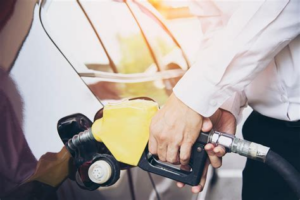
2. When it comes to the pump, be patient. When getting petrol, make sure you leave the hose in the tank until the pump shuts off and that you let all of the fuel out of the nozzle. The hose can dispense up to a quarter cup of water. You paid for it, thus it’s yours.
3. Consider having your windows darkened. Your vehicle’s solar tint serves two purposes. In the summer, it will limit the amount of heat entering the vehicle, which means less A/C and better fuel usage. Second, it will aid in the retention of heat in the winter, making the usage of the heater at full blast unnecessary. It’s as simple as that: minimize your electricity consumption and your fuel consumption.
4. Take a cruise when you have the opportunity. Use your cruise control when it’s suitable. Over the highway, this can save you up to 6% in fuel consumption, especially on flat terrain.
5. Don’t waste any more time. Allow no more than a minute for the vehicle to idle. Idling uses 2-4 litres of gas per hour and releases CO2 into the atmosphere that is unnecessary. When a modern engine is switched off and re-started, it uses less fuel than when it is left idle for long periods of time. There are already no-idle zones in place. Also, instead of revving an engine to warm it up, drive it. Engines only work hard when they are under stress, and they will warm up considerably faster if you start the engine, wait 20 seconds for the oil pressure to build up, and then drive away.
6. Make your load lighter. Consider what you’ll require for a journey. If you don’t need something, don’t bring it with you.
Roof racks should be removed if not in use, as they increase wind drag. The lesser the load, the less gasoline is used and the fewer emissions are produced. A normal car’s fuel economy is reduced by 1 to 2% when it has an extra 100 pounds in the trunk. Gas is wasted when you carry too much weight.
7. Do not “rev” the engine. This is especially true right before you turn off the engine; doing so loses fuel and wipes oil down the cylinder walls. This is a huge problem for the next start-up because the cylinder walls will be completely dry.
8. Maintain a steady speed. Both braking and rapidly accelerating waste fuel. It’s also best to avoid tailgating. It’s not only dangerous, but it also hurts your economy if the vehicle in front of you suddenly slows down.
9. Take it one step at a time. Although it may seem self-evident, do not drive with your left foot on the brake pedal. The tiniest amount of pressure causes “mechanical drag,” which wears down components prematurely. This “dragging” necessitates the use of more fuel to combat the drag.
10. If at all possible, stay away from bumpy roads. This is because dirt or gravel can reduce your gas mileage by up to 30%. Your vehicle loses momentum every time the wheels bounce up and down. Experiencing driving on a “washboard” road is the best way I can describe it. Not only will it be inconvenient, but the car will also slow down due to the energy transfer. As a result, the driver will use more throttle, resulting in wasted gasoline.
11. The importance of tires cannot be overstated. SUV owners should consider upgrading from a patterned off-road tread to a highway tread that is more fuel efficient.
These are some of our observations and responses to the numerous fuel economy questions we receive. I’m sure you have your own, and I’d want to invite everyone who reads this to share theirs in the comments section below or contact us directly. We’d love to hear what you have to say.